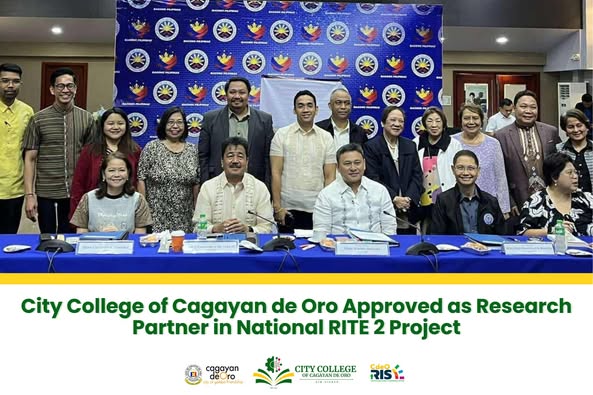
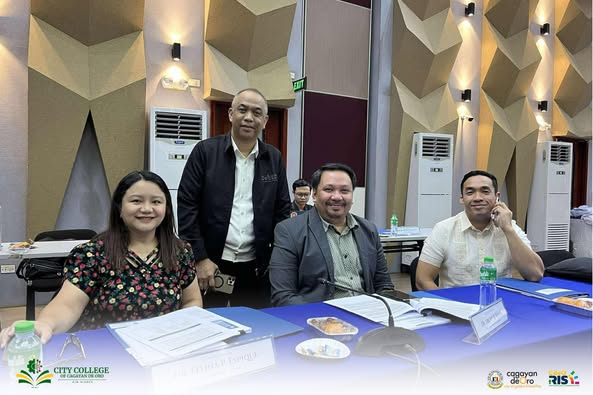
Manila, Philippines— City College of Cagayan de Oro has officially been approved as one of the research partners in the Research Initiatives in Teacher Education (RITE 2)— a national research program aimed at advancing policy and practice in Philippine teacher education. The announcement was made during the 2nd Quarterly Meeting of the Teacher Education Council (TEC) held today at the CHED Central Office in Quezon City. The meeting was chaired by DepEd Secretary Juan Edgardo “Sonny” Angara, co-chaired by CHED Chairperson Dr. J. Prospero “Popoy” De Vera III, and attended by key officials and Director Generals of TESDA, PRC, CHED, DepEd, NCCA, and the regular members of the Teacher Education Council.
Following a rigorous evaluation of submitted research papers and supporting documents, the TEC formally approved the following institutions as official RITE 2 research partners: · Philippine Normal University – Research Center for Teacher Quality (RCTQ) · University of the Philippines – Assessment, Curriculum, and Technology Research Center (ACTRC) · City College of Cagayan de Oro, in partnership with Xavier University – Ateneo de Cagayan · British Council Philippines
City College of Cagayan de Oro will undertake two funded research projects under RITE 2: 1. “𝗠𝗲𝗻𝘁𝗼𝗿𝘀𝗵𝗶𝗽 𝗧𝗵𝗮𝘁 𝗠𝗮𝘁𝘁𝗲𝗿𝘀: 𝗔𝗻 𝗘𝗺𝗽𝗶𝗿𝗶𝗰𝗮𝗹 𝗦𝘁𝘂𝗱𝘆 𝗼𝗻 𝗣𝗿𝗲𝗱𝗶𝗰𝘁𝗶𝘃𝗲 𝗠𝗼𝗱𝗲𝗹𝗶𝗻𝗴 𝗳𝗼𝗿 𝗣𝗿𝗲-𝗦𝗲𝗿𝘃𝗶𝗰𝗲 𝗧𝗲𝗮𝗰𝗵𝗲𝗿𝘀 𝗔𝗺𝗼𝗻𝗴 𝗧𝗘𝗜𝘀 𝗶𝗻 𝗩𝗶𝘀𝗮𝘆𝗮𝘀 𝗮𝗻𝗱 𝗠𝗶𝗻𝗱𝗮𝗻𝗮𝗼” — with an approved funding of PHP 2 million. 2. “𝗠𝗮𝗶𝗻𝘀𝘁𝗿𝗲𝗮𝗺𝗶𝗻𝗴 𝗜𝗻𝗱𝗶𝗴𝗲𝗻𝗼𝘂𝘀 𝗮𝗻𝗱 𝗖𝗼𝗻𝘁𝗲𝘅𝘁𝘂𝗮𝗹𝗶𝘇𝗲𝗱 𝗣𝗲𝗱𝗮𝗴𝗼𝗴𝗶𝗲𝘀 𝗶𝗻 𝗣𝗿𝗲-𝗦𝗲𝗿𝘃𝗶𝗰𝗲 𝗧𝗲𝗮𝗰𝗵𝗲𝗿 𝗘𝗱𝘂𝗰𝗮𝘁𝗶𝗼𝗻 𝗶𝗻 𝗠𝗶𝗻𝗱𝗮𝗻𝗮𝗼: 𝗔 𝗣𝗼𝗹𝗶𝗰𝘆-𝗕𝗮𝘀𝗲𝗱 𝗦𝘁𝘂𝗱𝘆” — grounded in the implementation of RA 11713 (Excellence in Teacher Education Act), with additional funding forthcoming.
Dr. Jestoni P. Babia, regular TEC member representing the Visayas and President of CCCDO, expressed the importance of this recognition, “City College of Cagayan de Oro, though a young institution, is proud to be at the forefront of research that informs national education policy. Our inclusion in RITE 2 affirms that local colleges can contribute meaningfully to transformative and inclusive teacher education—especially for communities in Mindanao and the Visayas where our insights matter most.”
With its approval, CCCDO strengthens its institutional mandate to contribute to evidence-based reforms and policy innovation, positioning itself as a leading voice among local universities and colleges across the country.
