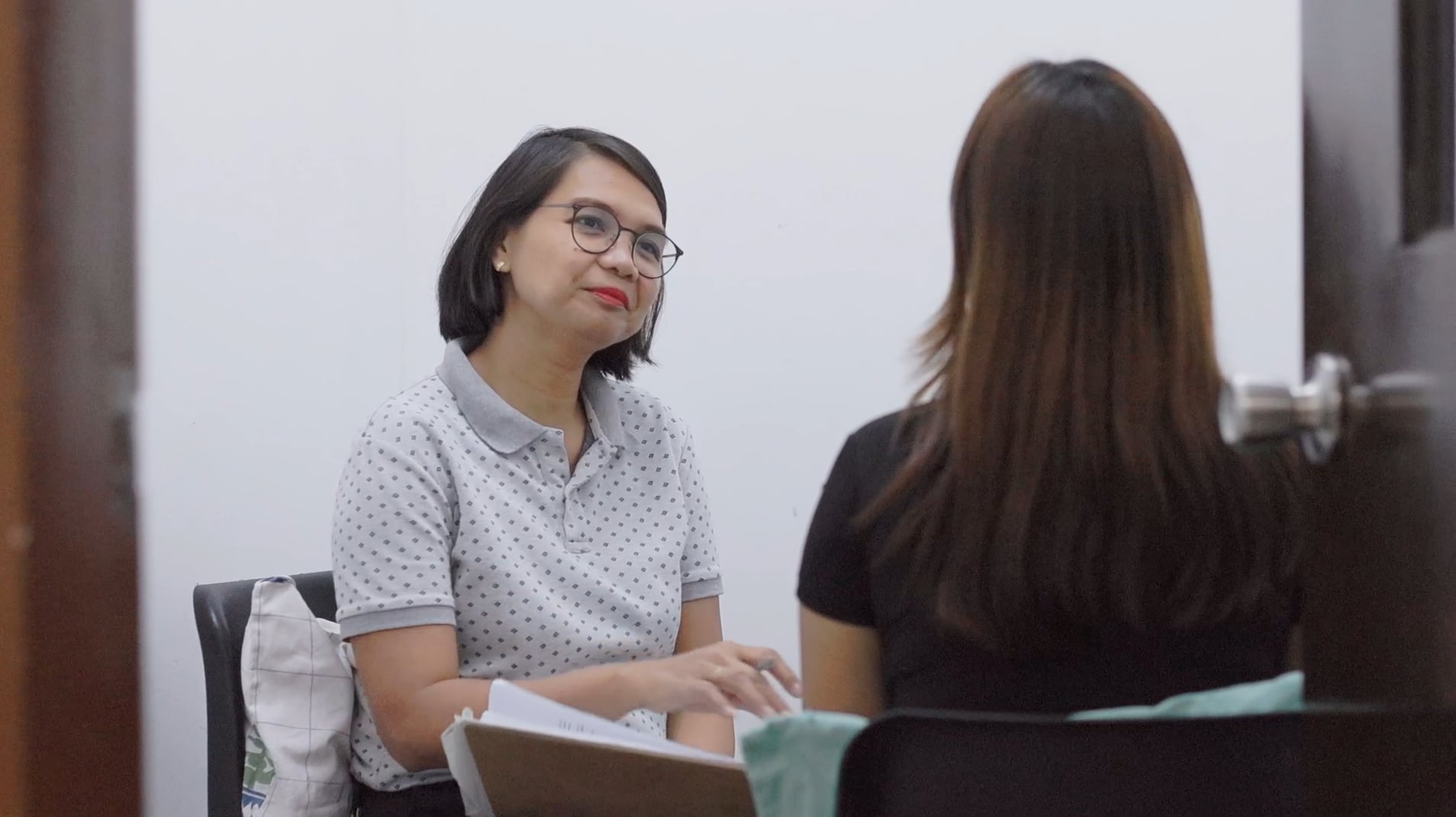
City College of Cagayan de Oro provides structured mentoring, counseling, and peer support programs that specifically address the needs of underrepresented groups, ensuring inclusivity and holistic student development.
The Guidance, Counseling and Assessment Services office offers and facilitates programs for the all-student’s development that are intended for:
Assessment. Assess students' academic, personal, and social strengths and obstacles through a range of assessment tools and techniques. Employ culturally appropriate standardized assessment instruments like placement tests, IQ tests, EQ tests, and aptitude tests to obtain a holistic insight into the students' strengths and challenges.
Counseling and Advising. Deliver personalized and group counseling sessions to tackle academic, personal, and social issues effectively. Provide counseling services that blend traditional healing methods with various counseling approaches such as cognitive-behavioral therapy, person-centered therapy, solution-focused therapy, and narrative therapy, customized to target specific concerns and foster individual development and wellness.
Educational and Career Planning. Support students in establishing educational and professional objectives and creating strategies that incorporate cultural heritage, as well as local and global opportunities, in their career planning. Coordinate career expos and seminars that highlight both local and international career prospects and sectors, empowering young individuals to discover a wide range of career paths that resonate with the cultural and economic landscape of the area.
Crisis Intervention. Provide prompt assistance and interventions for students facing crises like emotional distress, academic difficulties, or personal obstacles by partnering with local mental health experts to deliver appropriate crisis interventions for students in varied communities. Set up a youth crisis hotline managed by skilled peer counselors and mental health professionals to offer immediate support and intervention services.
Advocacy and Support. Empower young individuals to champion social causes by establishing youth-led advocacy groups and campaigns that tackle local community issues. This initiative nurtures a feeling of empowerment and agency among youth, enabling them to advocate for their requirements and welfare effectively.
Prevention Programs. Create and execute programs focused on averting problems like substance abuse, bullying, and mental health issues through educational efforts and awareness drives. Introduce community-driven prevention programs like disaster preparedness and environmental conservation through small group dialogues, seminars, and forums, involving youth in proactive endeavors that enhance community resilience and sustainability.
Collaboration and Consultation. Work together with educators, parents, and external organizations to offer extensive assistance to students and improve the overall educational setting. Organize intergenerational conversations and mentorship schemes that link young individuals with elders and community influencers.
Follow-Up and Evaluation. Monitor and evaluate the efficacy of counseling interventions and conduct follow-up sessions to guarantee ongoing progress and development. Organize post-counseling support groups and peer-led follow-up sessions to strengthen the outcomes of counseling interventions, foster peer support networks, and maintain continuous growth and advancement among young participants.
Recognizing the unique challenges faced by marginalized and underrepresented students, the College has institutionalized a Peer Support Program, formally approved by the Governing Board. At its core is the Peer Facilitators’ Circle, a network of trained student volunteers who provide guidance, encouragement, and peer-to-peer mentoring. This initiative empowers students from diverse backgrounds, including indigenous peoples, low-income learners, LGBT students, and persons with disabilities—by fostering a sense of belonging and shared responsibility within the campus community.
A copy of the Peer Facilitator's Circle's Constitution & Bylaws can be accessed here:
http://citycollegecdo.edu.ph/PEER-FACILITATORS-CIRCLE-BY-LAWS
In addition, the Guidance, Counseling, and Assessment Services (GCAS) plays a central role in promoting mental health and well-being. It delivers individual and group counseling, career guidance, and psychosocial support, while also spearheading campaigns against stigma and suicide. Programs are informed by the Positive Action Plan (PAP) and the standards of the Philippine Guidance and Counseling Association (PGCA), ensuring that interventions are evidence-based and culturally responsive. Workshops, seminars, and mental health awareness drives create safe spaces for dialogue, resilience-building, and positive interaction.
Moreover, structured leadership programs, such as the Emerging Leadership Camp, that are inclusive and nurture student leadership development, are initiated to mentor and support students regardless of their background.
A copy of the Emerging Leadership Program can be accessed here:
http://citycollegecdo.edu.ph/ELC-Program-Summary
Together, these mechanisms demonstrate the college’s commitment to equity, inclusion, and student empowerment, ensuring that underrepresented groups are not only admitted but also supported to thrive academically, socially, and personally.
